
Sourdough Donuts with Chocolate Custard Filling (100% sourdough recipe!)
As an Amazon Associate, I earn from qualifying purchases.
These naturally fermented sourdough donuts (no yeast here!) are raised donuts coated in sugar and filled with a homemade chocolate custard. They are fun to make and are perfect for brunches and breakfast!
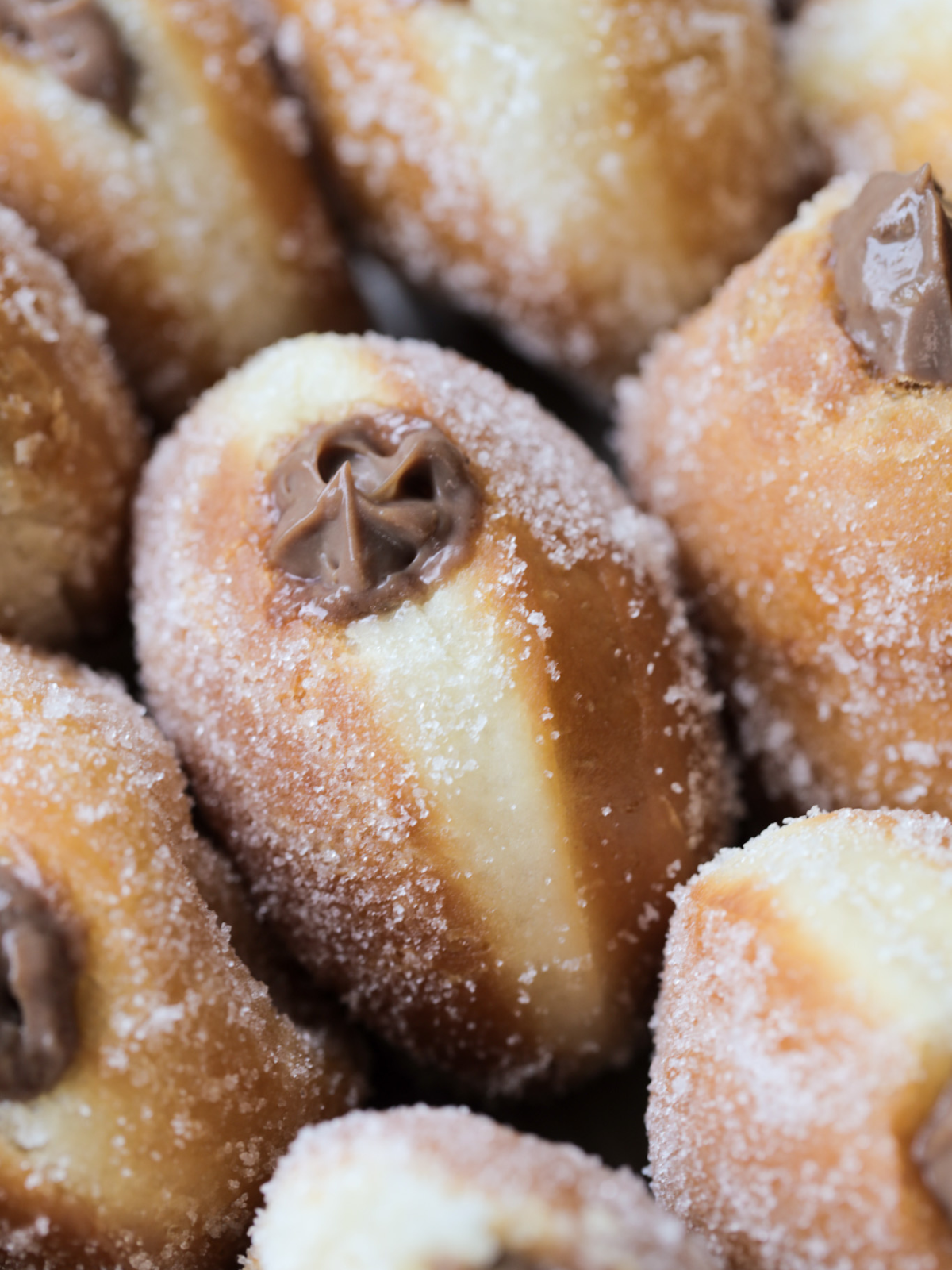
Sourdough donuts have kind of been my thing lately, and my kids get so excited every time they realize I’m making them. These ones I’ve been craving for a while. I made the vanilla custard-filled sourdough discard donuts, but I knew I wanted to make a no-yeast version with chocolate!
Speaking of chocolate, you’ve got to try these sourdough Boston cream donuts if you haven’t made them yet. They are heavenly!
I prefer using lard or coconut oil to fry the donuts in. It gives me the beautiful delusion that the donuts are healthy (heh, riiiight), but you are free to use any neutral oil such as canola, vegetable oil, or peanut oil.
Check out these other sourdough dessert recipes:
- sourdough glazed donuts
- sourdough discard apple cider donuts
- sourdough discard donuts with chocolate glaze
- sourdough maple glaze twist donuts
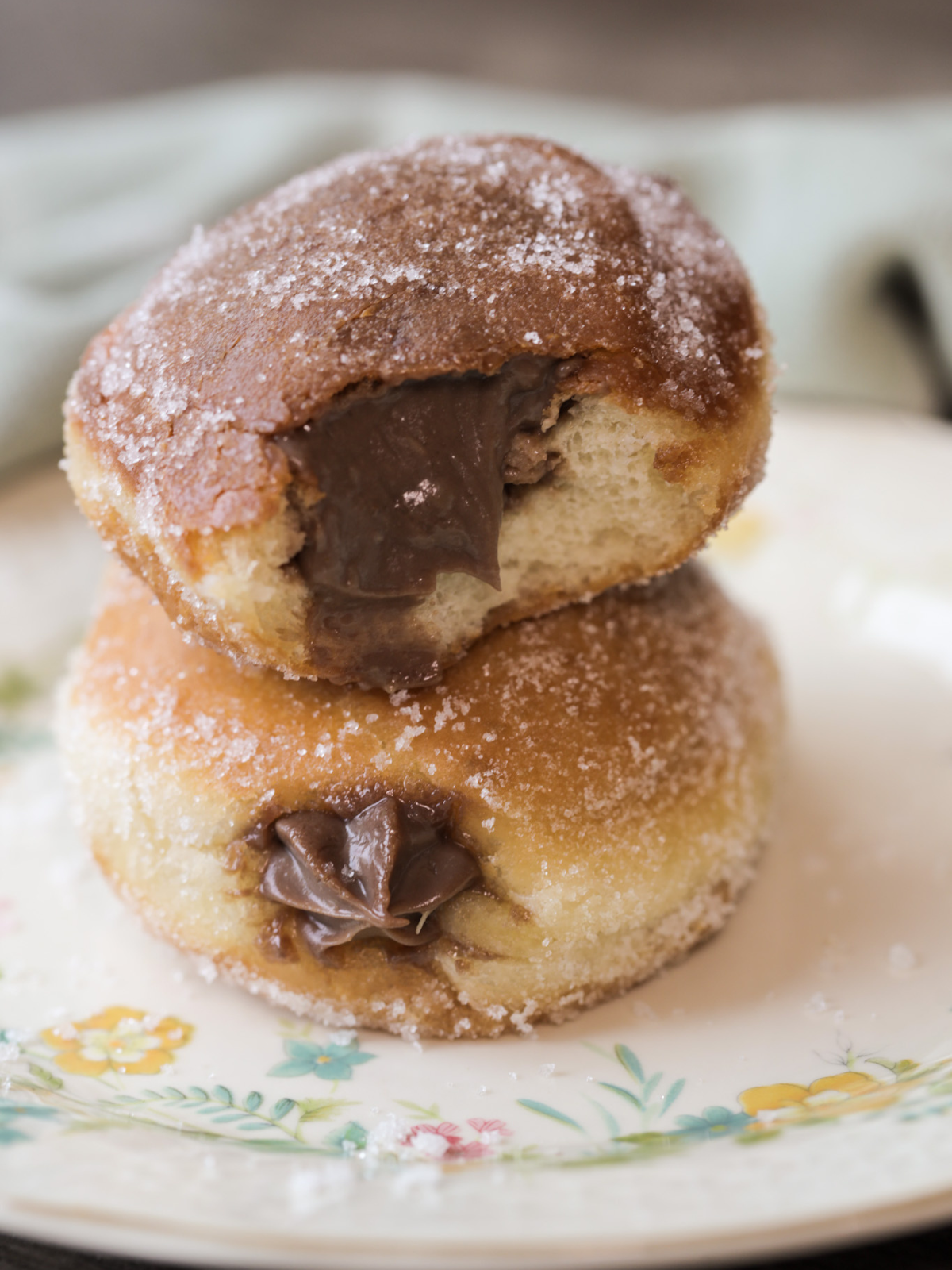
Why You’ll Love These Sourdough Chocolate Custard Filled Donuts
- Soft, fluffy brioche texture. Made with an active sourdough starter, these naturally fermented donuts are incredibly light, pillowy, and tender.
- Rich homemade chocolate custard. Every bite is filled with a silky, creamy chocolate custard that’s made from scratch and tastes just like a bakery-quality filling.
- No commercial yeast required. This recipe relies entirely on active sourdough starter for flavor and rise, creating a delicious depth of flavor you can’t get from traditional yeast donuts.
- Perfect make-ahead recipe. The dough ferments overnight, and the chocolate custard can be made while the dough chills, making the process easy to split over two days.
- Bakery-style results at home. Golden, sugar-coated donuts with a luscious chocolate center are surprisingly simple to make in your own kitchen.
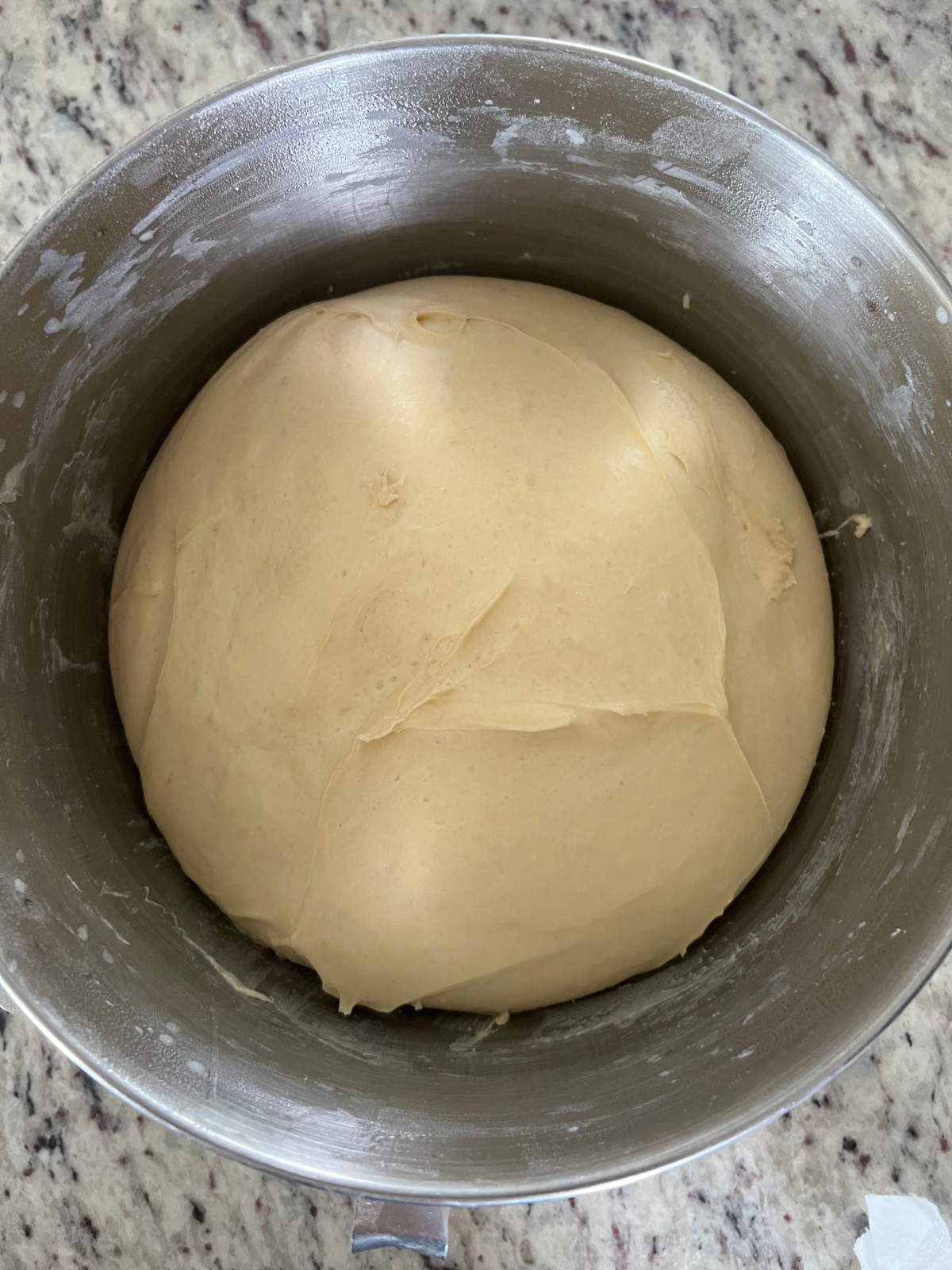
Mix the sourdough starter, warm milk, flour, eggs, sugar, salt, and vanilla until a shaggy dough forms.
Add the softened butter one tablespoon at a time, then knead for about 7 minutes until smooth and elastic.
Transfer the dough to a greased bowl, cover, and let bulk ferment for 6–10 hours. Refrigerate overnight.
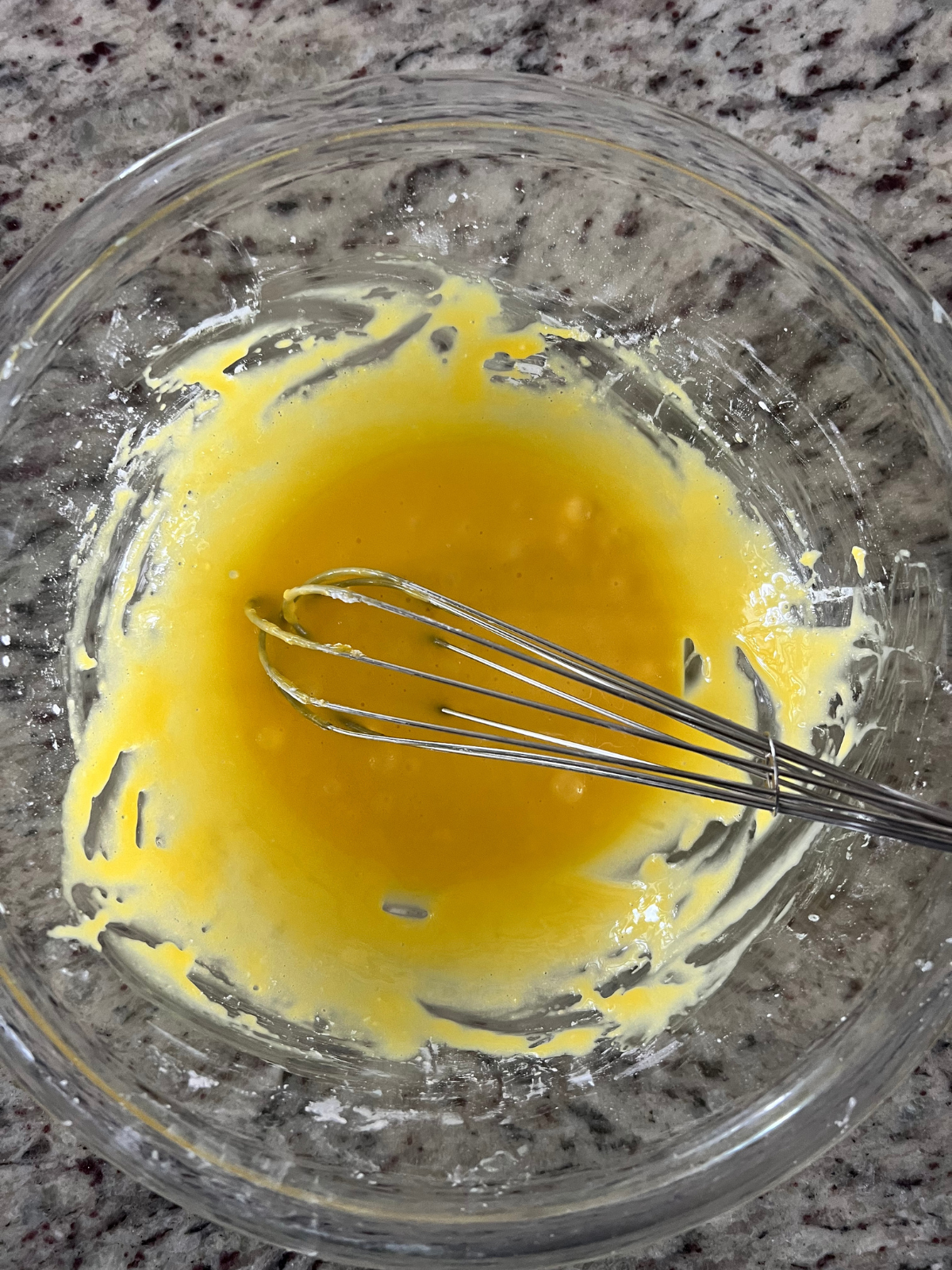
The next day, make the chocolate custard. Start by whisking together the egg yolks and cornstarch in a mixing bowl.
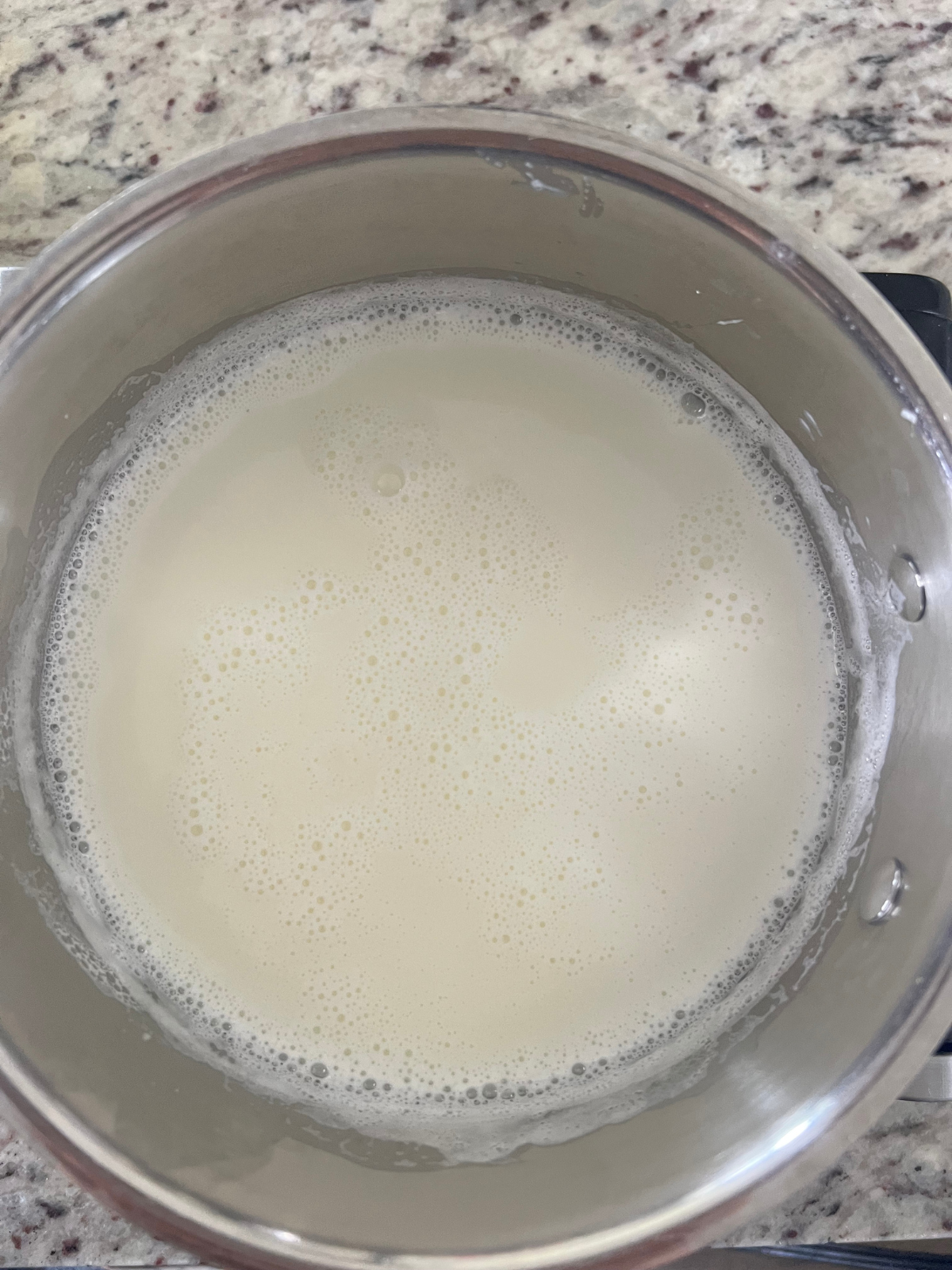
Combine milk, sugar, and salt, and heat over medium heat in a saucepan until it starts to steam.
Scoop one cup of the milk mixture and very slowly drizzle it into the egg and cornstarch mixture, whisking throughout.
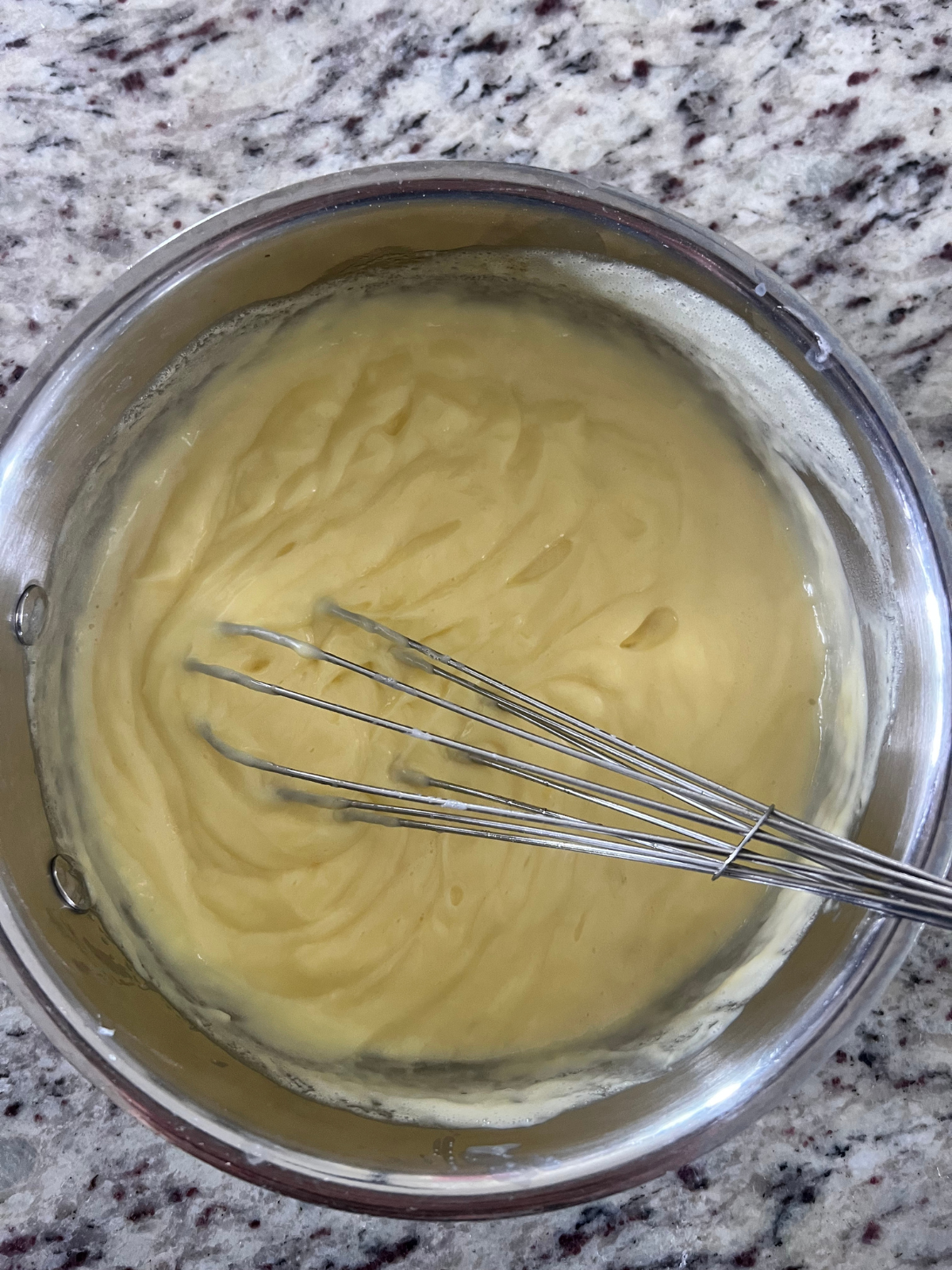
Then gradually add the tempered egg and milk mixture very slowly into the saucepan. Whisk continuously until the custard has thickened.
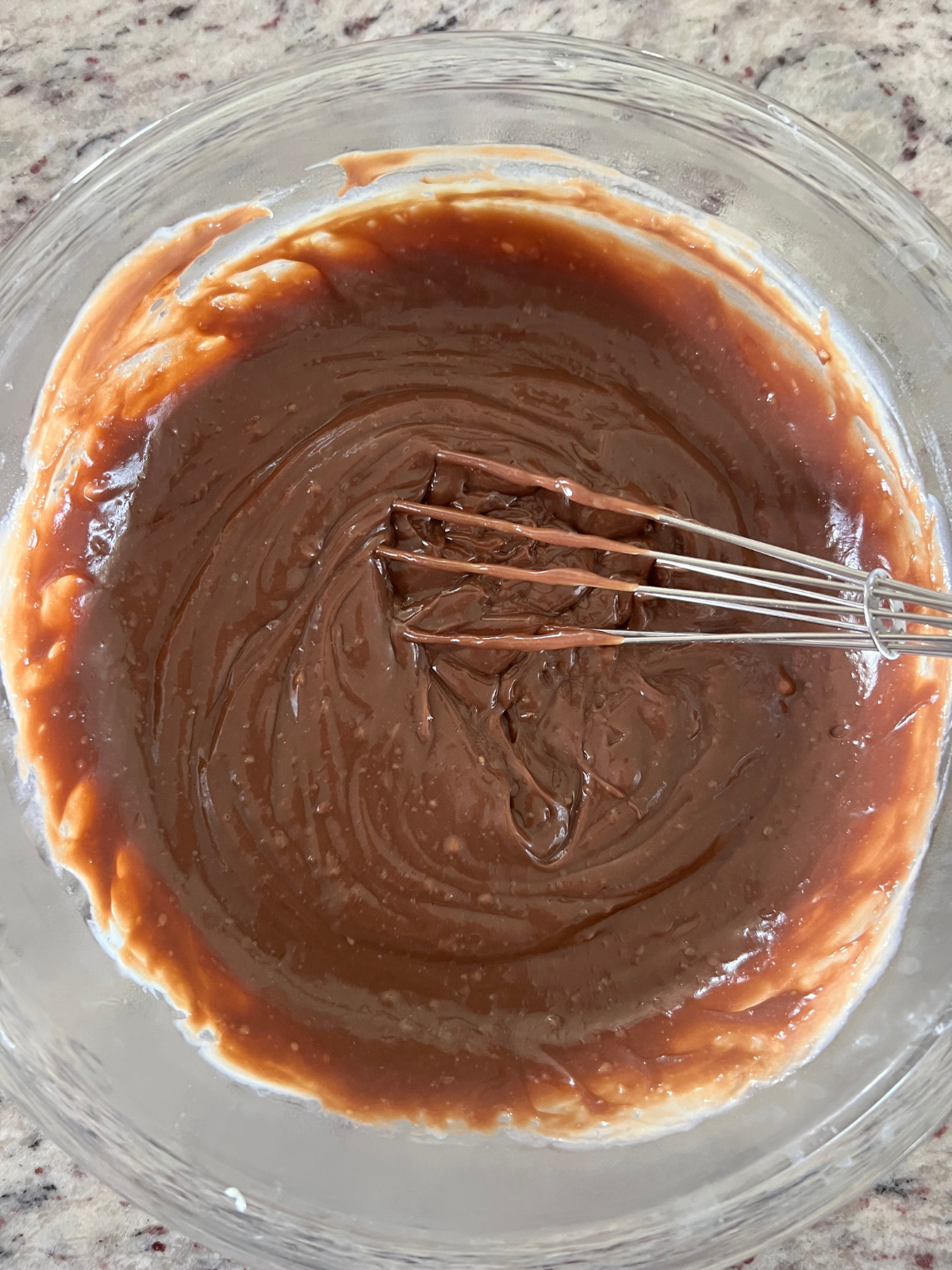
Immediately remove from heat, add the vanilla extract and melting wafers, whisking until smooth.
Transfer to a glass container, cover with plastic wrap directly onto the custard to prevent a skin from forming, and place in the fridge to chill for at least 2 hours.
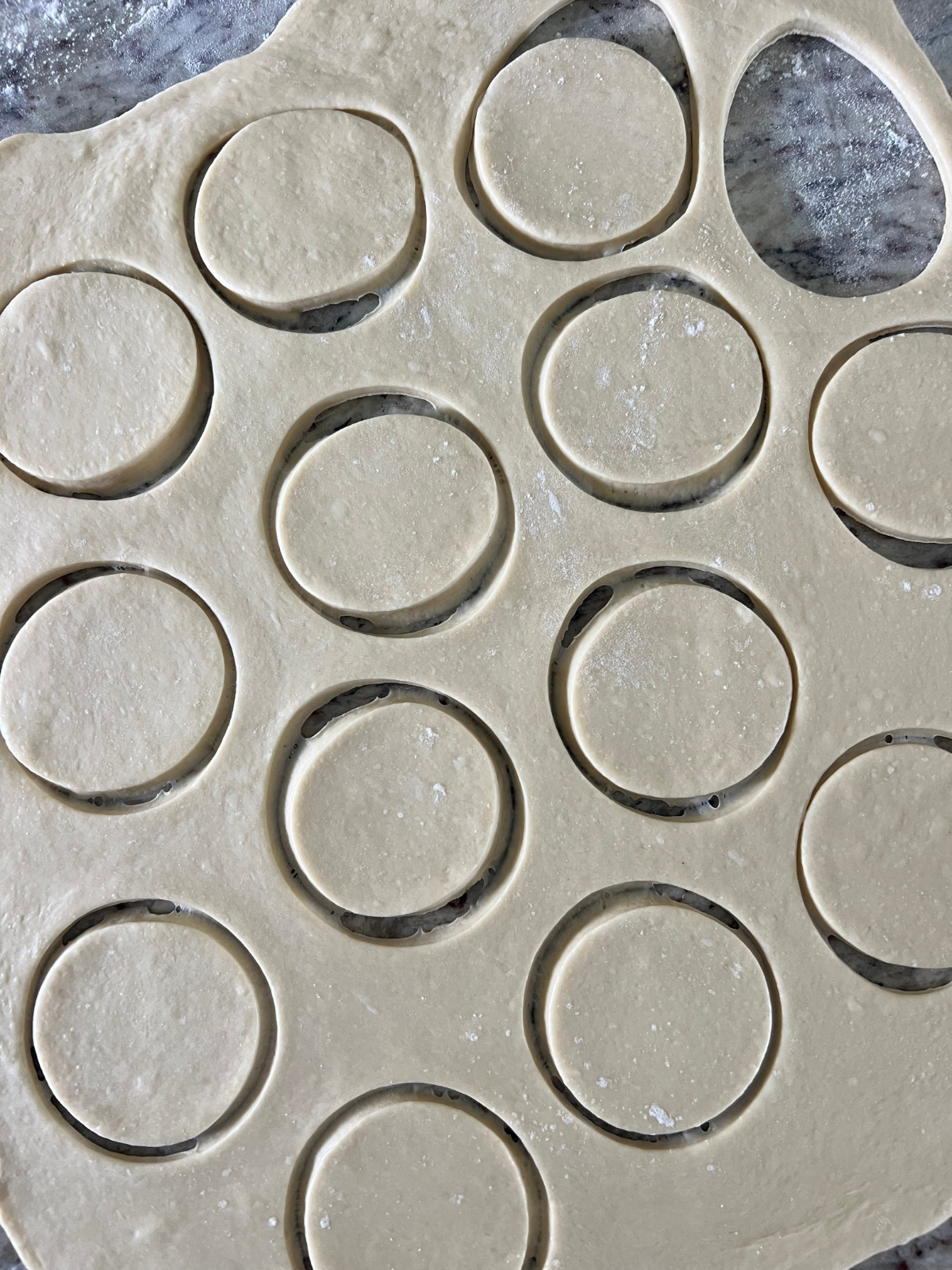
Roll the chilled dough to ½-inch thick and cut into rounds.
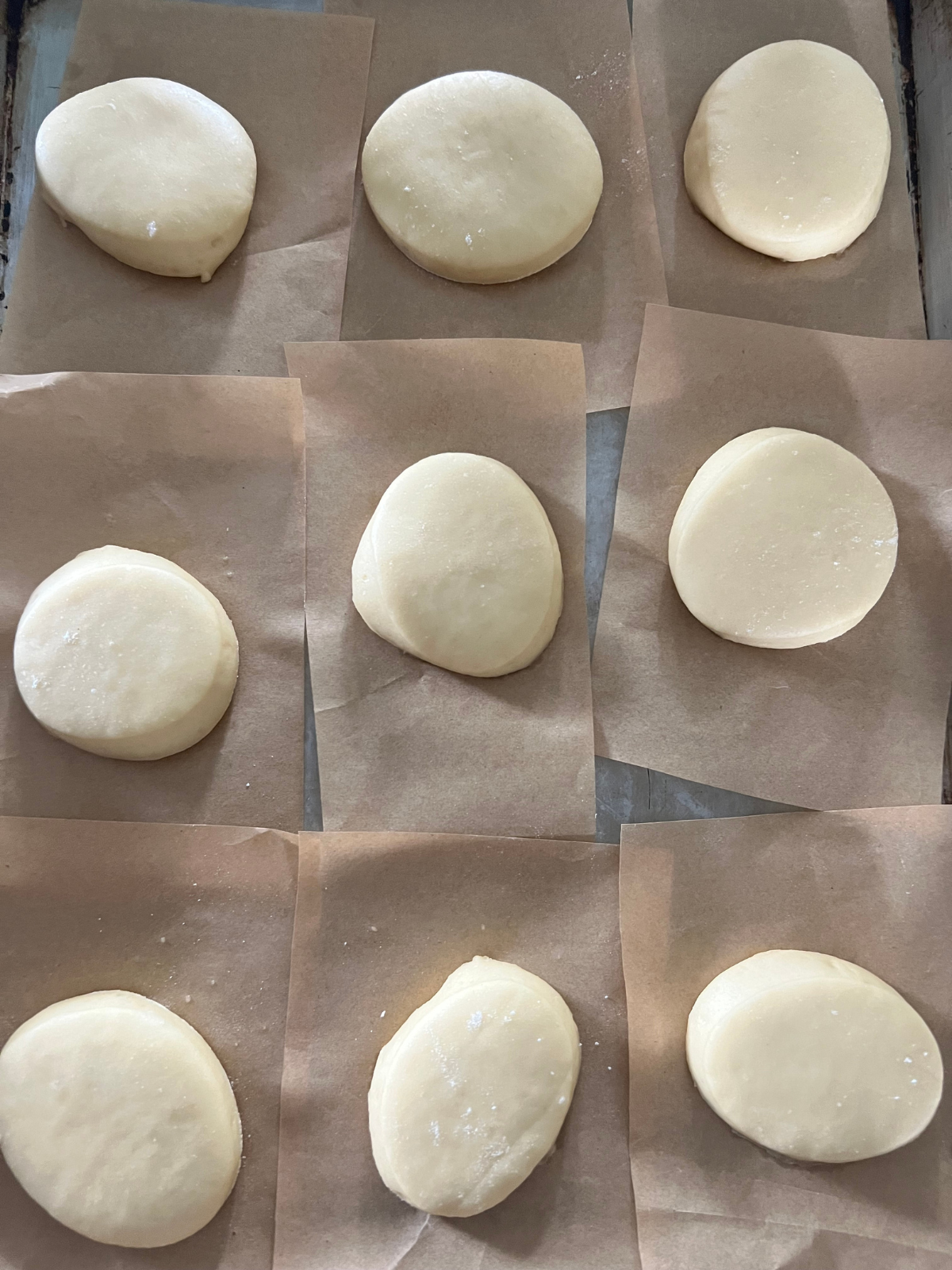
Place each donut on a parchment square, cover, and let rise until puffy, about 2–4 hours.
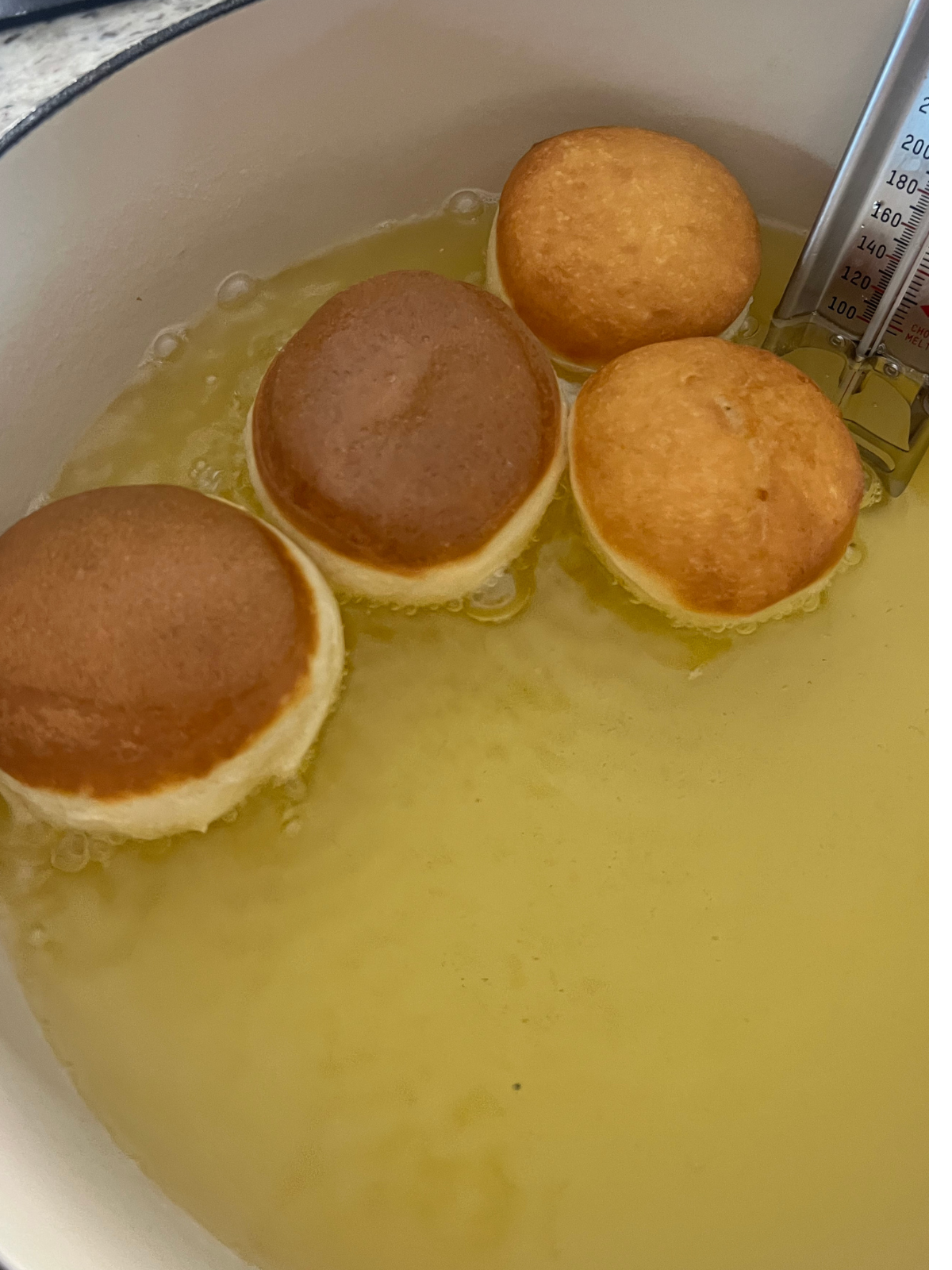
Fry the donuts in 340–360°F oil until golden brown on both sides.
Roll the warm donuts in granulated sugar and let them cool completely.
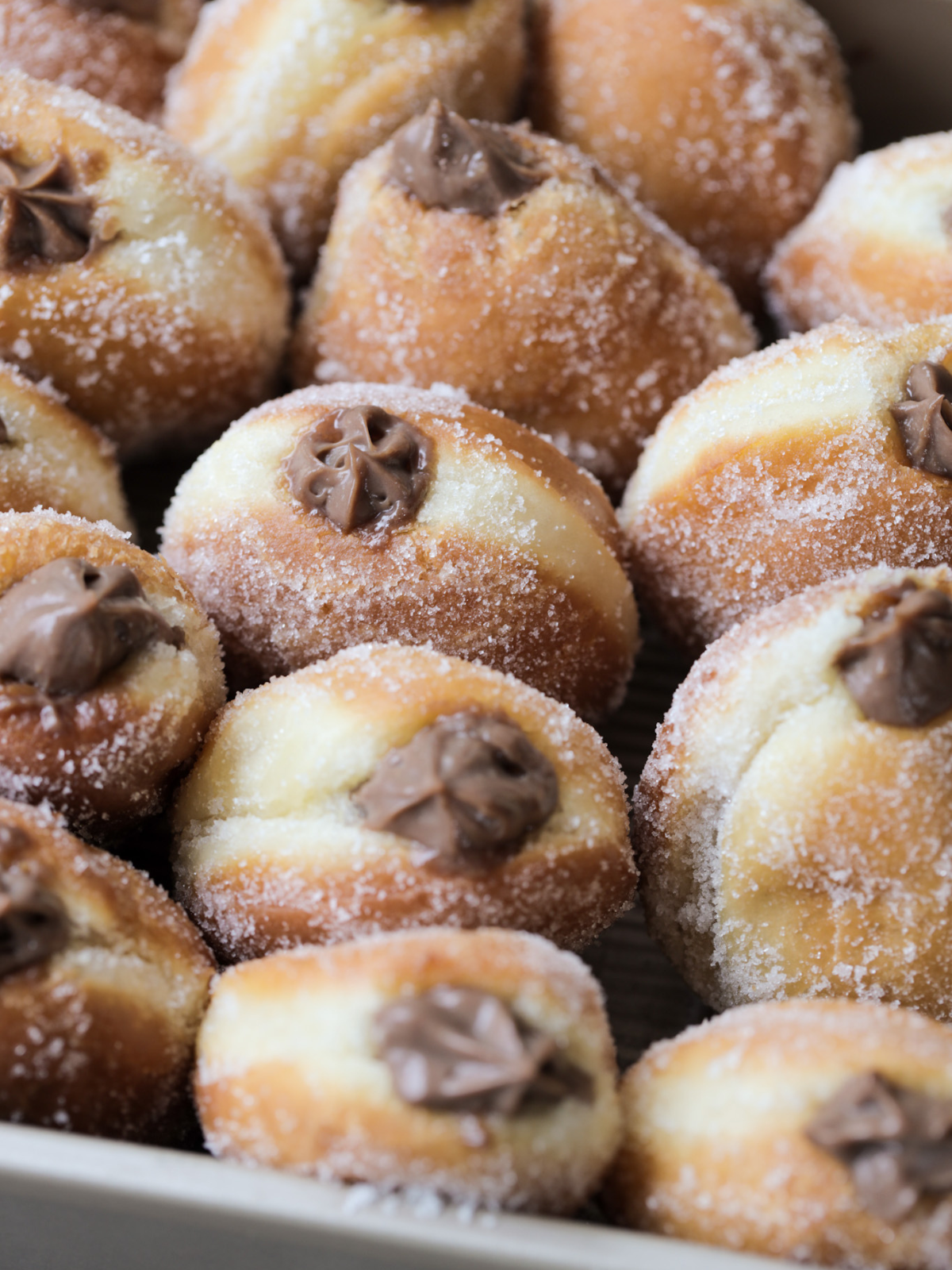
Use a butter knife to poke a hole in the side of each donut. Pipe the chilled chocolate custard into each donut and enjoy!
Helpful Tips for the Best Sourdough Chocolate Custard Filled Donuts
Fill the donuts just before serving. Freshly filled donuts have the best texture, with a soft, fluffy brioche exterior and a rich, creamy chocolate custard center. If making them ahead, store the donuts and custard separately, then fill right before serving for the freshest results.
Use an active, bubbly sourdough starter. A starter that has doubled in size and passes the float test will produce the lightest, fluffiest brioche donuts. A sluggish starter can lead to dense donuts and much longer fermentation times.
Don’t rush the second rise. The donuts should look noticeably puffy, feel light, and jiggle slightly when the baking sheet is gently shaken. Underproofed donuts are heavy with tight crumbs, while properly proofed donuts fry up beautifully airy.
Keep the oil at 350°F (177°C). Maintaining a consistent frying temperature is one of the biggest secrets to bakery-quality donuts. Oil that’s too hot will brown the outside before the center cooks, while oil that’s too cool will cause the donuts to absorb excess oil and become greasy.
Chill the chocolate custard completely before filling. Cold custard thickens as it chills, making it much easier to pipe into the donuts without leaking. For the smoothest filling, prepare it while the shaped donuts are completing their second rise.
Equipment Needed
- Stand mixer with a dough hook attachment
- Large mixing bowl for bulk fermentation
- Medium mixing bowl for making the chocolate custard
- Medium saucepan for cooking the custard
- Whisk for smooth, lump-free custard
- Rolling pin for rolling the dough
- Round cookie cutter or drinking glass for cutting donuts
- Baking sheet lined with parchment paper
- Parchment paper cut into individual squares
- Plastic wrap or clean kitchen towels for covering the dough
- Heavy-bottomed Dutch oven or large pot for frying
- Kitchen thermometer to monitor the oil temperature
- Slotted spoon or spider strainer for removing the donuts from the oil
- Wire cooling rack for draining and cooling the donuts
- Piping bag fitted with a round piping tip for filling the donuts
- Butter knife or skewer to create an opening for the chocolate custard filling
Storage
Refrigerator: Because the donuts are filled with homemade chocolate custard, store them in an airtight container in the refrigerator for up to 3 days.
For the Best Texture: These donuts are best enjoyed the same day they’re filled. If refrigerated, let them sit at room temperature for 20–30 minutes before serving to soften the brioche dough.
Make Ahead: The donut dough can be refrigerated overnight after bulk fermentation, and the chocolate custard can be made up to 2 days in advance and kept covered in the refrigerator until ready to use.
Freezing: For best results, freeze the fried, unfilled donuts in a freezer-safe container for up to 2 months. Thaw at room temperature, warm slightly if desired, then fill with freshly chilled chocolate custard just before serving.
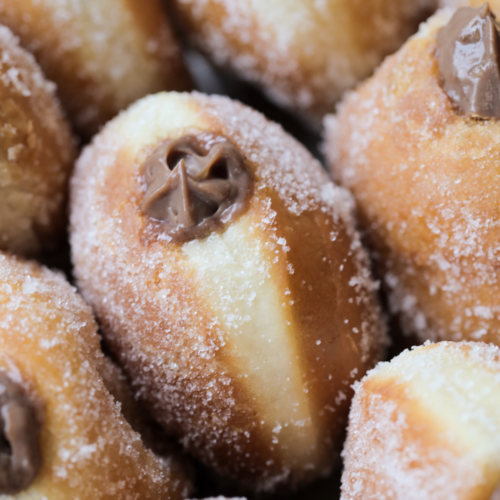
Sourdough Donuts with Chocolate Custard Filling
Ingredients
Brioche Sourdough Donut Dough
- 150 g active sourdough starter ⅔ cup
- 122 g warm whole milk ½ cup, 100–110°F
- 390 g all-purpose flour 2¾ cups
- 2 large eggs room temperature
- 2 g salt ¼ teaspoon
- 53 g granulated sugar ¼ cup
- 5 g vanilla bean paste or vanilla extract 1 teaspoon
- 113 g salted butter softened (8 tablespoons)
Chocolate Custard
- 5 large egg yolks
- 30 g cornstarch ¼ cup
- 480 g whole milk 2 cups
- 100 g granulated sugar ½ cup
- 1.5 g salt ¼ teaspoon
- 340 g milk chocolate melting wafers 1 (16-ounce bag)
- 5 g vanilla extract or vanilla bean paste 1 teaspoon
For Frying & Coating
- neutral frying oil vegetable, avocado, canola, or coconut oil, enough for 2–3 inches of oil in a heavy-bottomed pot
- 300 g granulated sugar 1½ cups, for coating
Instructions
Step 1: Prepare the Brioche Sourdough Donut Dough
- In the bowl of a stand mixer fitted with the dough hook attachment, combine the active sourdough starter, warm milk, flour, eggs, salt, granulated sugar, and vanilla.
- Mix on low speed until the ingredients come together into a shaggy dough.
- With the mixer running on low speed, add the softened butter one tablespoon at a time, allowing each addition to fully incorporate before adding the next.
- Increase the mixer speed to medium-high to high and knead for about 7-10 minutes, or until the dough is smooth, elastic, and pulling away from the sides of the bowl.
- The dough will be very soft and very slightly sticky. Avoid adding additional flour, as the high hydration is what creates incredibly light, fluffy, bakery-style donuts.
- Transfer the dough to a large lightly greased bowl and cover tightly with plastic wrap.
- Allow the dough to bulk ferment in a warm place for 6–10 hours, or until it has risen approximately 50–60%. Because this is a rich brioche dough containing butter and eggs, it will ferment more slowly than a lean sourdough dough.
- Once the bulk fermentation is complete, cover the bowl tightly and refrigerate overnight. Chilling the dough makes it much easier to roll, cut, and shape. Alternatively, you can let the dough bulk ferment overnight (if your kitchen allows it) and shape right away the next day.
Step 2: Make the Chocolate Custard
- The next day, prepare the chocolate custard while the dough is still chilled.
- In a medium mixing bowl, whisk together the egg yolks and cornstarch until completely smooth. Set aside.
- In a medium saucepan over medium heat, combine the whole milk, granulated sugar, and salt. Heat until the mixture is steaming and just beginning to simmer around the edges, whisking occasionally.
- Slowly ladle about 240 g (1 cup) of the hot milk mixture into the egg yolk mixture while whisking constantly to temper the eggs.
- Gradually pour the tempered mixture back into the saucepan while whisking continuously.
- Continue cooking over medium heat, whisking constantly, for 3–5 minutes, until the custard becomes thick and smooth.
- Remove the saucepan from the heat and immediately stir in the milk chocolate melting wafers. Whisk until the chocolate has completely melted and the custard is silky smooth. Stir in the vanilla extract.
- Transfer the chocolate custard to a clean bowl and press plastic wrap directly against the surface to prevent a skin from forming.
- Refrigerate while you shape and proof the donuts. The custard will continue to chill and thicken, making it perfect for piping later.
Step 3: Shape the Donuts
- Remove the chilled dough from the refrigerator and transfer it to a lightly floured work surface.
- Roll the dough to approximately ½-inch thick.
- Using a round cookie cutter or the rim of a drinking glass, cut out donut rounds. Gather the scraps, reroll, and continue cutting until all of the dough has been used.
- Place each donut onto an individual square of parchment paper and arrange them on a baking sheet. If the dough is thicker, you'll get larger donuts; if it's thinner, you can get more (and smaller) donuts. This recipe makes around 12-16 donuts depending on size.
- Cover loosely with plastic wrap or a clean kitchen towel.
- Allow the donuts to rise in a warm place for 2–4 hours, or until they are noticeably puffy, light, and nearly doubled in size. The exact proofing time will vary depending on the temperature of your kitchen.
Step 4: Fry the Donuts
- Heat 2–3 inches of neutral oil in a heavy-bottomed Dutch oven or large pot to 340–360°F (171–182°C). Pour the sugar into a bowl and set aside (you'll dip the donuts in the sugar after frying).
- Working in batches, carefully lower the donuts into the hot oil. If desired, use the parchment squares to transfer the donuts into the oil, then remove the parchment with tongs once the donut releases.
- Fry for 1–2 minutes per side, or until both sides are deep golden brown.
- Transfer the donuts to a wire cooling rack with paper towels underneath to catch excess oil.
- While still warm, roll each donut generously in granulated sugar until evenly coated.
- Allow the donuts to cool completely before filling.
Step 5: Fill the Donuts
- Transfer the chilled chocolate custard to a piping bag fitted with a piping tip.
- Using a butter knife or skewer, create a small opening in the side of each cooled donut.
- Insert the piping tip into the opening and pipe the chocolate custard into each donut until filled. You’ll feel the donut become slightly heavier as the custard fills the center.
- Serve immediately, or refrigerate until ready to enjoy.


These are honestly more like a dessert, and dang, are they good! We shared these with family and friends, and they got rave reviews. I’d love to know what you think if you make them!